
India essentials · First-time travel
First-time journeys through India
How to build a balanced itinerary across heritage, food, nature and modern city life—without turning your holiday into a race.
India rewards curiosity, but it also rewards restraint. It is a country of immense distances, distinct languages, regional cuisines, living traditions, fast-moving cities and landscapes that range from Himalayan valleys to tropical coasts. A satisfying first trip does not try to “cover India.” It chooses one coherent route and leaves enough time to notice where you are.
This guide helps you make those choices. Use it as a planning framework rather than a fixed itinerary: confirm current entry rules, weather, transport schedules, local conditions and health advice before booking.
Start with the right scale
Shape a journey, not a checklist.
Begin with the experience you want rather than a list of famous names. Select one broad region, one arrival gateway and no more than three or four bases for a two-week holiday. Moving every night creates long transfer days, repeated packing and little contact with everyday life.
Choose an anchor
Start with one major gateway—Delhi, Mumbai, Bengaluru, Hyderabad, Chennai or Kochi—and build a geographically sensible route around it.
Balance the ingredients
Combine a major city, a heritage destination and a slower landscape such as countryside, hills, forest, desert, backwaters or coast.
Protect breathing room
Keep the first arrival day light, add a free half-day every few days and avoid a critical international connection immediately after a long road or rail sector.
Plan by travel time
Judge a route by door-to-door time—not straight-line distance. Traffic, station transfers, security and check-in can turn a short hop into most of a day.
For a 7-day trip choose one region and two bases. For 10 days choose two or three bases. For 14 days choose three or four. Add another region only when you have roughly three weeks.
Sample first-trip frameworks
Pick one route that tells a clear story.
These are planning frameworks, not promises of availability. Adjust for season, interests, mobility and transport. Avoid combining them all in one short trip.
Classic north
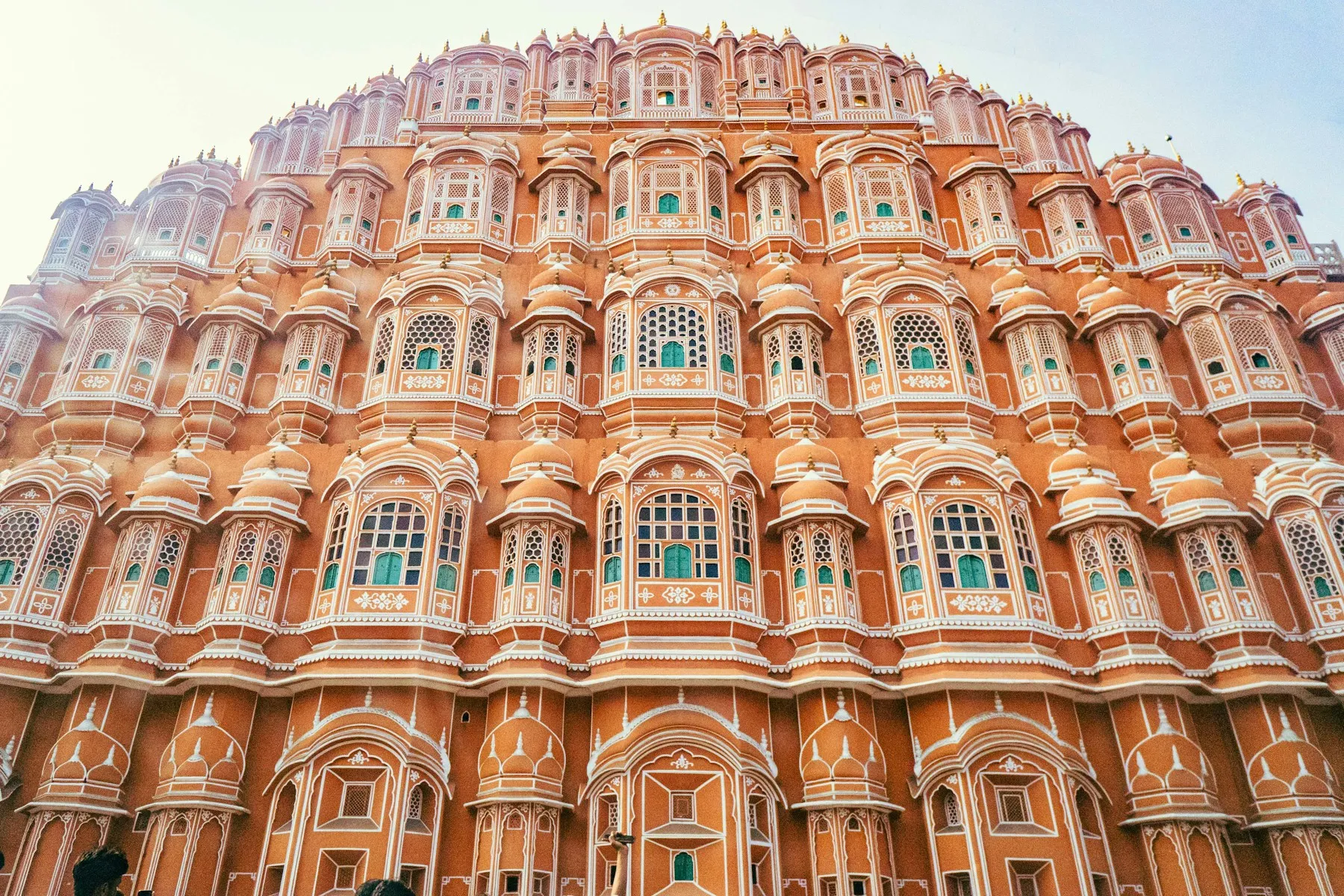
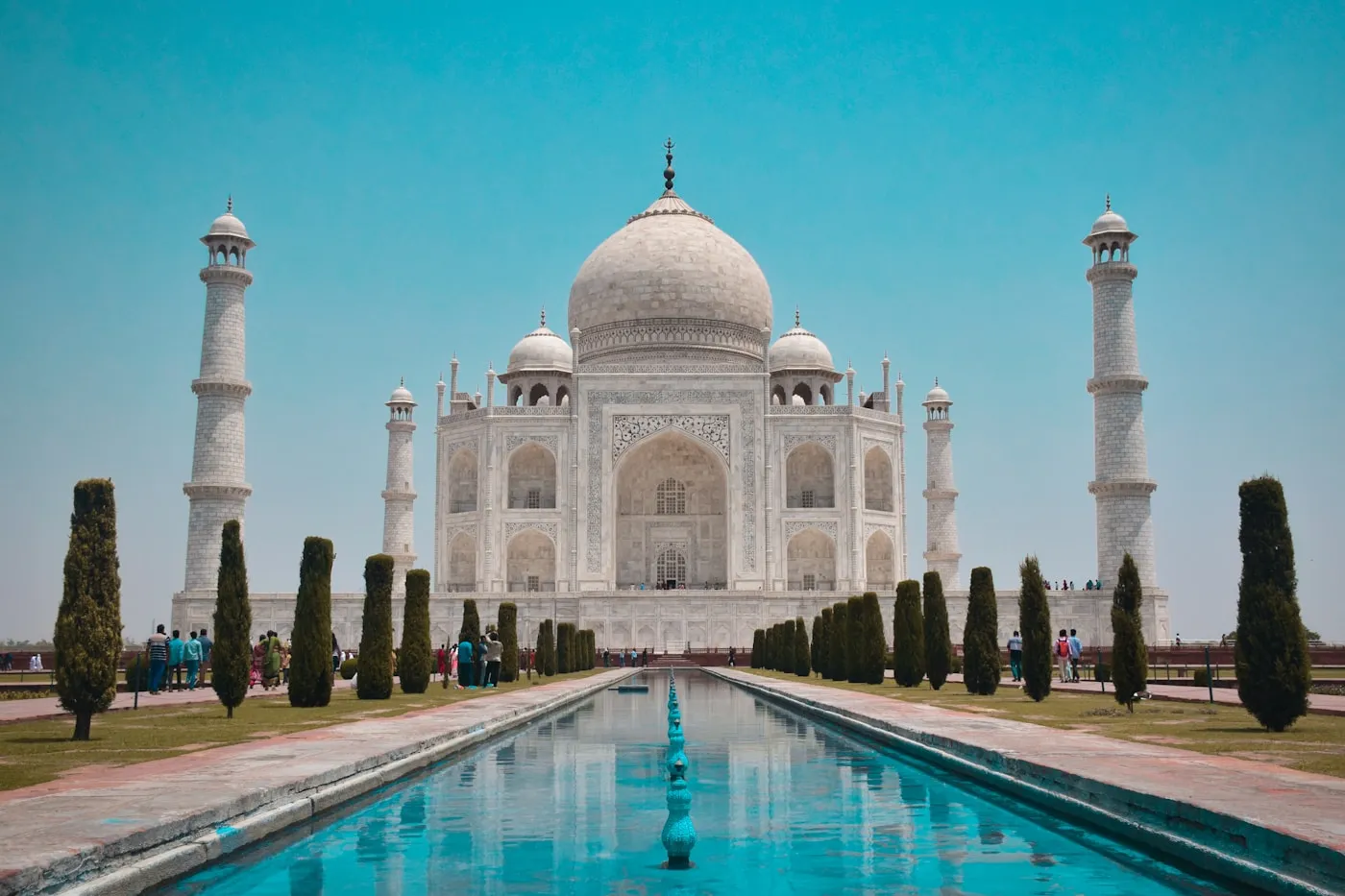
Delhi · Agra · Jaipur
A focused introduction to layered city history, Mughal architecture, forts, bazaars, crafts and North Indian food. Add a rural or heritage stay if time permits.
Best for: iconic heritage and an efficient first overview.Kerala at an easy pace
Kochi · hills · backwaters · coast
Pair a historic port city with spice-growing highlands, a responsibly chosen backwater stay and restorative coastal time. Keep winding road sectors modest.
Best for: food, landscape, wellness and slower travel.Southern culture
Chennai · Puducherry · Thanjavur · Madurai
Explore living temple traditions, Tamil architecture, classical arts, regional kitchens and the distinct urban character of the south.
Best for: architecture, sacred culture and cuisine.Western contrasts
Mumbai · heritage interior · Goa
Begin with contemporary city energy, add caves, forts or a Deccan heritage stop, then finish along the coast beyond the busiest beach strips.
Best for: modern India, design, food and coast.Ganges and eastern culture
Varanasi · Kolkata · nearby heritage
Join sacred river life with literature, art, architecture and Bengali food. A thoughtful local guide adds valuable context.
Best for: experienced travellers drawn to culture and ideas.Nature-led India
Gateway city · national park · rural stay
Build around one wildlife landscape, allowing buffer days because sightings are never guaranteed. Combine safaris with village, conservation or craft experiences.
Best for: wildlife, photography and unhurried landscapes.Ladakh and high Himalayan routes need deliberate acclimatisation, conservative scheduling and suitable medical advice. They should not be treated as a quick extension to a packed plains itinerary.
Build a balanced day
One headline experience is usually enough.
Pair a morning monument, walk or wildlife activity with a relaxed meal and one neighbourhood, market, performance or craft visit. Heat, traffic and sensory intensity can make an overfilled plan exhausting.
- Use early mornings for popular outdoor sites.
- Keep midday flexible in hot weather.
- Leave evenings for food, performance or an unplanned walk where appropriate.
- Check weekly closures and festival access before fixing the order.
Weather is regional
Choose dates for the route—not the country.
India cannot be described by one nationwide “best time.” Conditions differ sharply by altitude, latitude and coast. October to March is often comfortable across many plains destinations, but it is also popular. Spring brings heat to many lowland areas; monsoon affects regions differently; Himalayan access has its own pattern; and the southeast coast receives substantial rain later in the year.
Generally pleasant for many northern, central and southern routes. Expect cooler northern mornings, high demand around holidays and possible fog affecting winter transport.
Festivals and spring colour give way to strong heat across many plains areas. Hill regions may be more comfortable, but popular stations can be busy.
Monsoon brings lush landscapes and dramatic weather to much of the country, with humidity, heavy rain and possible disruption. Timing and intensity vary.
Check destination-specific access, landslide, cyclone, sea-condition and altitude considerations. Never generalise from the weather in your arrival city.
Before departure, review destination-specific forecasts and advisories from the India Meteorological Department ↗.
Moving around India
Match the transport to the distance.
Domestic flights
Useful between distant regions. Compare total journey time, luggage allowances and airport location—not just airfare. Keep generous margins before an international departure.
Trains
Excellent for seeing the country and connecting many city centres. Train numbers, classes, quotas and station names matter; book popular routes early and travel with confirmed details and identification.
Private car with driver
Practical for regional circuits and places with weak rail links. Confirm vehicle size, air-conditioning, driver allowance, tolls, parking, daily limits and night-driving expectations.
Metro, taxi and local transport
Metro systems can be efficient in major cities. Use reputable prepaid counters or recognised apps where available, confirm the destination and avoid unclear unmetered arrangements.
Check train information through official IRCTC resources. SeeMyTrip is an IRCTC-authorised B2C booking partner and can help connect rail with the rest of an itinerary.
Eat regionally, travel thoughtfully
Food is not one part of the trip—it is a map of India.
Indian cooking changes by region, community, season and household. Go beyond generic “curry”: try local breakfasts, breads, rice dishes, lentils, vegetables, coastal seafood, sweets and drinks. A food walk with a credible guide can explain ingredients and etiquette while helping you choose reliable vendors.
- Choose busy establishments with good turnover and food cooked fresh and served hot.
- Drink sealed bottled water from an intact cap or properly treated water.
- Wash or sanitise hands before eating; peel raw fruit yourself.
- State allergies clearly, including cross-contact concerns.
- Increase chilli and street-food exposure gradually.
- “Vegetarian” does not automatically mean vegan; dairy and ghee are common.
- Religious and regional practices can affect meat and alcohol availability.
- Do not assume ice, raw garnish or buffet food has been handled safely.
- Carry oral rehydration supplies and seek qualified help for severe illness.

Travel with context and respect
Observe first. Ask when unsure.
India is socially and religiously diverse; etiquette varies. Modest, adaptable behaviour works better than memorising rigid rules. At sacred places, follow posted guidance and local instructions.
Dress and sacred spaces
Carry clothing that covers shoulders and knees when required. Remove footwear where instructed. Some sites restrict leather goods, photography, phones or entry.
People and photography
Ask before photographing individuals, ceremonies, worship, children or private property. A permitted camera does not remove the need for personal consent.
Greetings and interaction
A polite namaste is widely understood, but greetings differ. Use the right hand for giving or receiving when practical, and avoid public criticism of unfamiliar customs.
Festivals and crowds
Festivals can be extraordinary and extremely busy. Plan transport, meeting points, appropriate clothing and personal boundaries; participate only where welcome.
Tipping and service
Practices vary. Check whether service is included and ask your trip planner for current local guidance for drivers, guides, hotels and restaurants.
Responsible visits
Avoid exploitative animal encounters, intrusive poverty tourism and purchases made from protected wildlife or undocumented antiquities.
Sensitive places
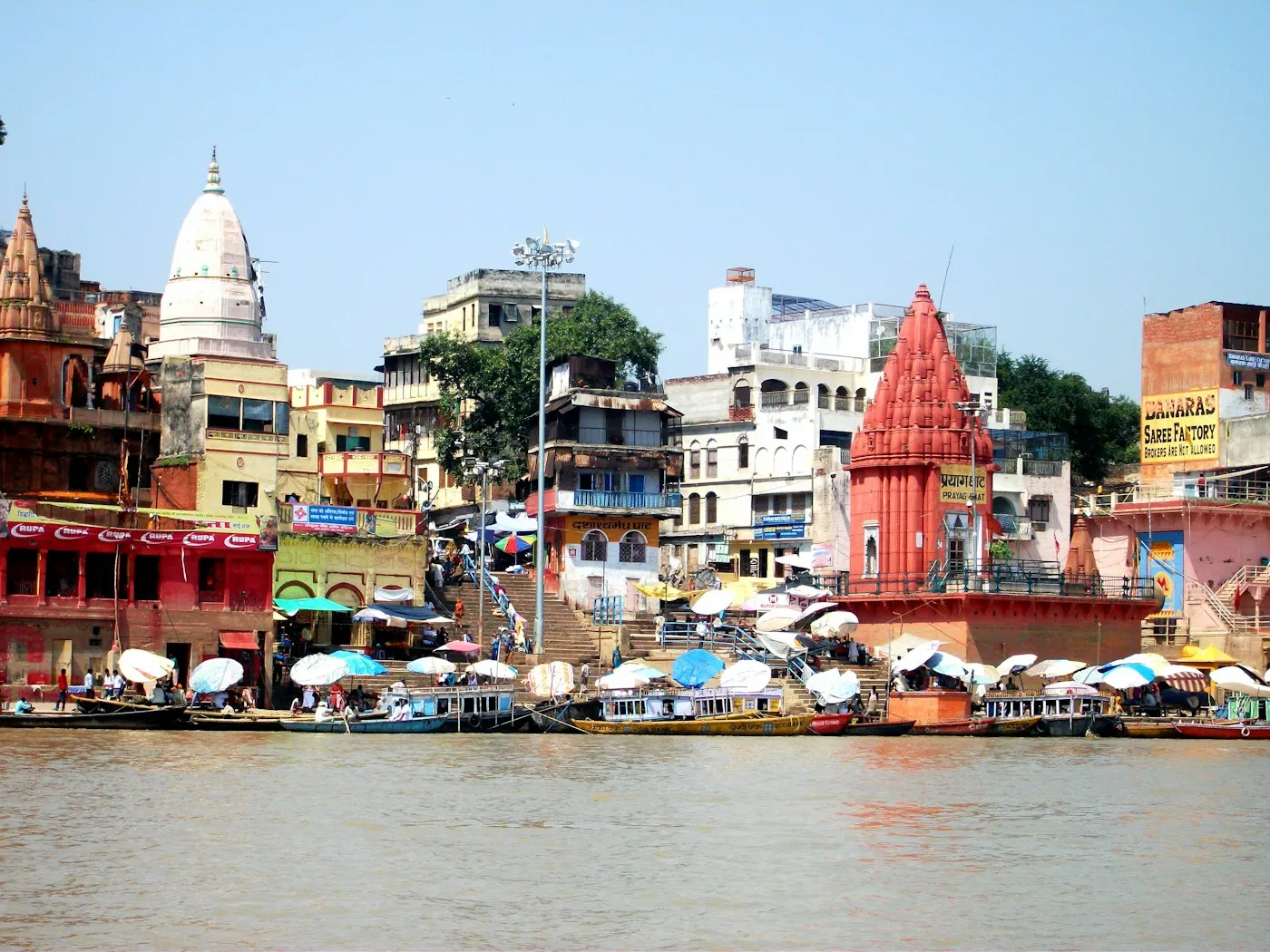
Not every moment is a photo opportunity.
Riverfronts, cremation grounds, shrines and ceremonies can be places of grief, worship and private meaning. Keep distance, follow local guidance and never photograph intimate rituals merely because they occur in a public setting.
Practical confidence
Money, connectivity, health and personal safety.
Check passport validity, visa eligibility and permitted arrival points through official Government of India sources. Apply only through the official portal and carry required approval.
Official visa portal ↗Cards and digital payments are common in cities, but keep some Indian rupees for small purchases and places with unreliable connectivity. Use bank or reputable ATMs.
Arrange roaming or a lawful local SIM/eSIM solution. Keep offline copies of tickets, hotel addresses, insurance details and emergency contacts.
Discuss vaccinations, routine medicines, heat, altitude, air quality and mosquito-borne illness with a qualified travel-health professional in good time.
Use reputable transport, share plans, avoid isolated areas after dark, secure valuables and trust your instincts. Follow current official advisories.
Research neighbourhoods and arrival times, organise the first transfer, choose well-reviewed accommodation and use women-only rail or metro areas where offered.
Choose cover appropriate for medical treatment, evacuation, activities, delays and cancellation. Understand exclusions, documentation and assistance procedures.
Step-free access and adapted transport vary widely. Request exact measurements and photographs, confirm every transfer and build extra time into the route.
Keep your insurer’s assistance number, accommodation contact, local emergency information, passport copy and embassy or consulate details available offline. Verify emergency numbers for your locations before departure.
Pack for variation
Bring less, but bring the right things.
Check airline cabin rules for batteries and liquids. Avoid overpacking: laundry is widely available, while internal journeys are easier with manageable luggage.
A simple 90-day planning rhythm
From idea to departure.
- 8–12 weeks
Choose your region, check official entry requirements, review seasonal conditions, compare flights and reserve scarce rail, wildlife or festival arrangements.
- 4–8 weeks
Confirm accommodation, transfers and key guides; arrange insurance and a travel-health consultation; document accessibility or dietary needs.
- 1–4 weeks
Reconfirm bookings, prepare payments and connectivity, save documents offline, check baggage rules and review destination-specific weather.
- 48–72 hours
Check flight and rail status, official advisories and arrival instructions. Share your itinerary and begin rested rather than over-scheduled.
Ready to turn the guide into your journey?
Build an India itinerary with room to experience it.
This guide provides general planning information, not legal, immigration, medical or security advice. Requirements, schedules, prices, access and local conditions can change. Verify critical information with official authorities and relevant providers before booking and again before travel.